
How to Help Your Child Deal With Alzheimer’s or Dementia
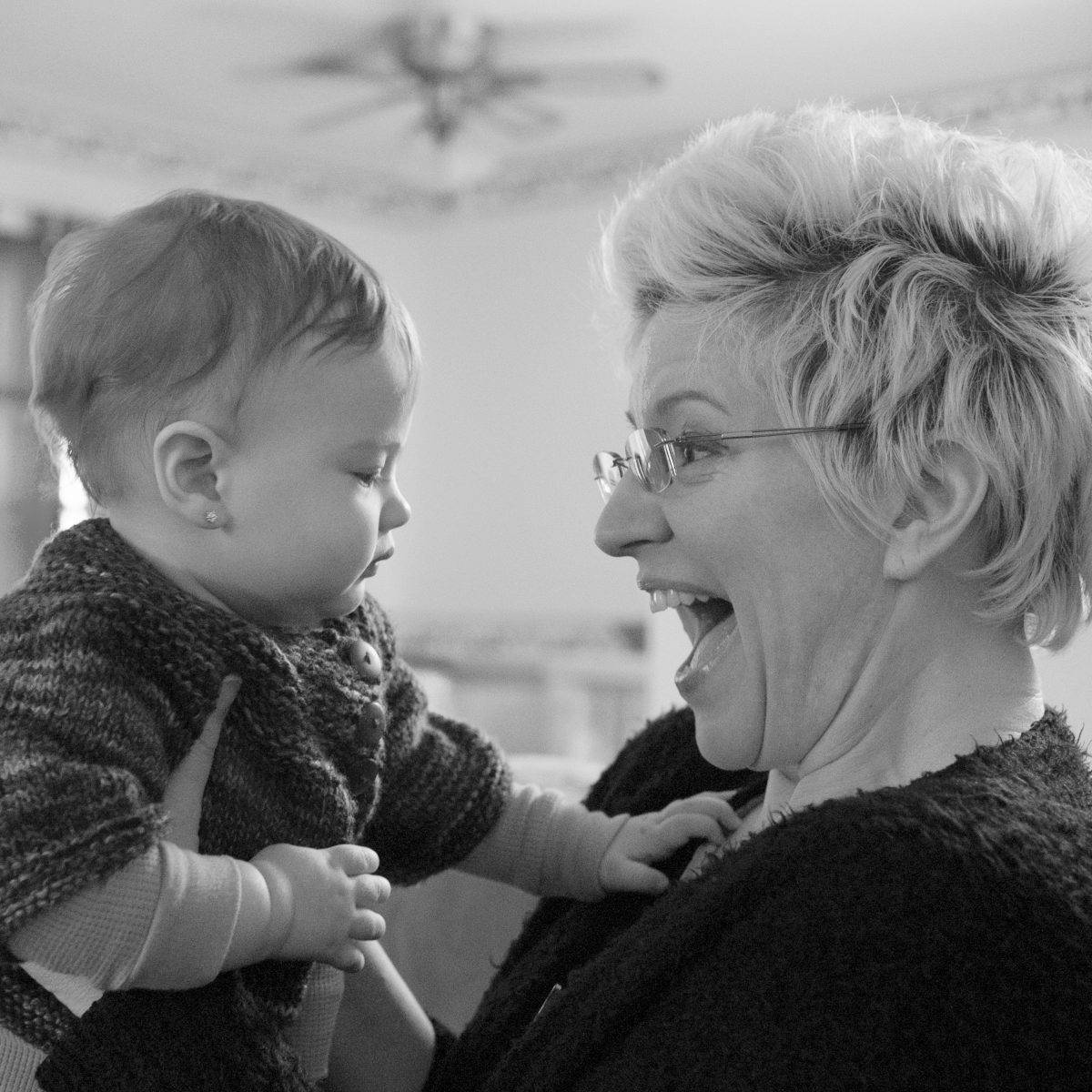
Alzheimer’s disease can take a giant toll on family life. It can have a large affect on adult children, spouses and siblings, but most importantly, it can have an effect on younger children and teenagers as well. Often times, children are unaware of diseases for elders such as Alzheimer’s and dementia and are very unaware…

The Benefits of Caregiving
Sometimes care giving can be a burden. You give up part of your life while juggling a full-time job and children. You get exhausted, stressed and depressed trying to balance your life while dealing with the emotional and physical tolls of caring for a loved who is either ungrateful or dealing with cognitive decline and…

Don’t Let Past Resentment Hinder Caregiving Present
Caregiving can be tough, especially when you’re unprepared or your senior or disabled loved one is resistant to care. However, it can be just as difficult if you let the past control your care giving present. Our past interactions with loved ones can affect our responses to calls for care. A shaky relationship with a…

Disability Safety: Keeping Your Home Secure
Being disabled or elderly can often make it difficult to navigate around your own home. Accessibility and mobility become difficult, and you become prone to more accidents in your bathroom, on the stairs or even at your front door. Besides installing our assistive technology products in your home such as wheelchair lifts, platforms and ramps,…

How Millennials Can Be Proper Caregivers
According to AARP and the National Alliance for Caregiving, about 25 percent of U.S. caregivers fall between the age of 18 and 34. However, many of them have little to no experience with serious illness, making health care decisions or dealing with health insurance. Millennials are also known to be long-distance caregivers, as their new…

How to Fight Cognitive Decline
Alzheimer’s and dementia can be scary to a spouse or loved one, especially when they are unprepared. One is more likely to develop these diseases if their thinking and memory is on the decline, especially when they have nothing to boost or maintain these cognitive function. As your senior gets older, it is important to…

How to Deal with Caregiving Hopelessness
You never really see it coming and then it happens. Your spouse or loved one has a tragic accident and is now physically disabled. You go through the difficulties together of trying to relearn navigating around the house, installing the proper technology and resources in your home for accessibility and even counseling for how they…

How NOT to hire an In-Home Caregiver for your Loved One
Being a caregiver for a loved one can be an incredibly stressful experience. If you’ve finally reached the point in your journey, when you can no longer physically and mentally meet the demands of caregiving, it may be time to start looking for a qualified in-home caregiver. But before you set out to find your…

3 Surprising Signs of Alzheimer’s Disease
Memory loss can be a distressing side effect of aging. But unlike Hollywood often portrays, mild memory loss is not the only impairment associated with Alzheimer’s. There are typically several, lesser known signs that can indicate that you, or a loved one have just entered into the early stages of Alzheimer’s. Before you begin to…

Eating Healthy Reduces Risk of Dementia
Dementia and Alzheimer’s are both neurodegenerative diseases that cause progressive damage to cognitive functioning, which cause confusion and memory loss. Although there are no cures to these diseases and they cannot be completely prevented, there are ways to reduce the risk. Besides keeping your parent’s mind sharp with social and mental activities, there is one…